
Preparing for Seasonal Telecom Needs: What to Expect and How to Adapt


Understanding Seasonal Telecom Needs
As businesses gear up for seasonal demands, telecommunication needs often shift to accommodate increased activities. Whether it's the holiday shopping rush or the summer travel surge, companies must be prepared to handle fluctuations in communication volumes. Anticipating these changes can make a significant difference in maintaining seamless operations and ensuring customer satisfaction.

Identifying Peak Seasons
Understanding when your business experiences peak seasons is crucial. Retailers, for instance, may see heightened activity during the holiday season, while travel agencies might peak in summer. Identifying these periods allows companies to plan and allocate resources effectively, ensuring that telecom systems are robust enough to handle increased demand.
Consider analyzing historical data to pinpoint patterns. This information can guide strategic decisions regarding staffing, bandwidth, and other resources. By doing so, businesses can avoid bottlenecks and ensure that customer interactions remain smooth and uninterrupted.
Adapting Telecom Infrastructure
Once peak seasons are identified, it's essential to adapt the telecom infrastructure accordingly. This might involve upgrading systems or investing in scalable solutions that can be adjusted as needed. Cloud-based telecom solutions offer flexibility, allowing businesses to scale up or down based on current demands.

Additionally, consider investing in robust customer service tools. Chatbots, for example, can handle routine inquiries, freeing up human agents for more complex issues. This not only improves efficiency but also enhances the customer experience by providing quick responses during high-demand periods.
Training and Preparedness
Preparing staff for seasonal changes is just as important as upgrading technology. Employees should be trained to handle increased communication volumes and equipped with the necessary tools to manage their workload effectively. Regular training sessions can help staff stay updated on new technologies and customer service strategies.
- Conduct regular training workshops.
- Implement role-playing scenarios to simulate high-demand situations.
- Ensure all staff members are familiar with the updated systems and tools.
Monitoring and Adjusting Strategies
Once the season is in full swing, continuous monitoring is vital. Keep an eye on system performance and customer feedback to identify any issues that may arise. Being proactive in addressing these problems can prevent minor issues from becoming major disruptions.
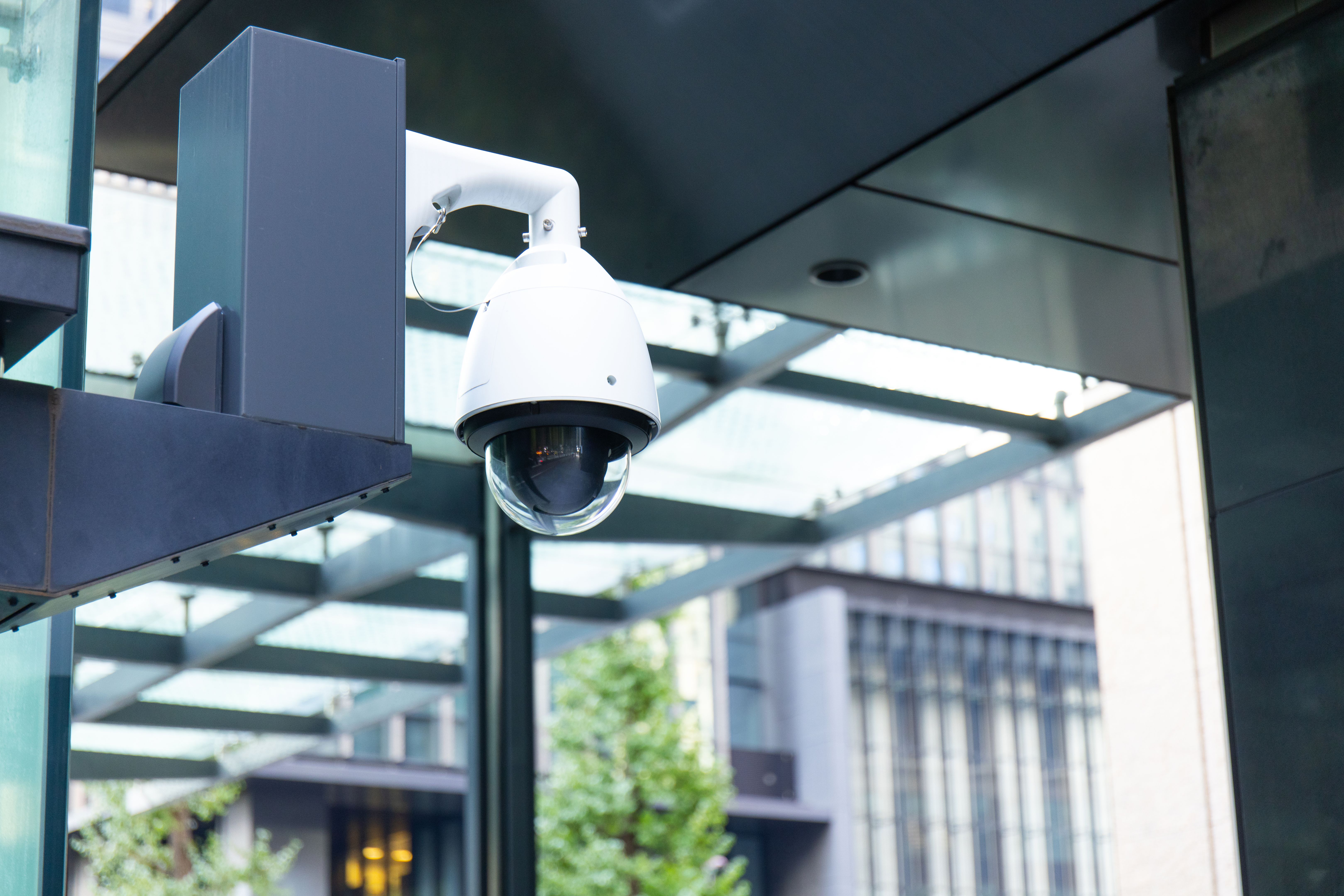
Regularly review performance metrics and adjust strategies as needed. This might involve reallocating resources or tweaking communication protocols to better meet demand. Flexibility and responsiveness are key to successfully navigating seasonal telecom needs.
Feedback and Improvement
After the season ends, gather feedback from both customers and employees. Understanding what worked well and what didn't can provide valuable insights for future planning. Use this information to refine processes and make improvements for the next peak period.
Encourage open communication within the team to foster a culture of continuous improvement. By learning from each season, businesses can enhance their telecom strategies and ensure they are well-prepared for future demands.