
Understanding the Latest Trends in Telecommunication


The Impact of 5G Technology
The introduction of 5G technology is a game-changer in the telecommunication industry. It promises faster speeds, reduced latency, and the capacity to connect more devices simultaneously. This advancement is not just an upgrade; it's a complete transformation that will enable new applications and services.
With 5G, industries such as healthcare, automotive, and entertainment are set to experience unprecedented growth. The ability to stream high-quality video, support virtual reality, and enable smart cities are just a few examples of what 5G can achieve.

Moreover, businesses can leverage this technology to improve operational efficiency and customer engagement. The low latency and high-speed connectivity mean that real-time data processing and decision-making are more accessible than ever.
Internet of Things (IoT) Expansion
The Internet of Things (IoT) is another trend reshaping telecommunications. With billions of devices connected globally, IoT is creating a network of interconnected devices that communicate and share data.
IoT is enhancing everyday life, from smart homes to industrial automation. By collecting and analyzing data, businesses can optimize processes, reduce costs, and improve customer experiences.
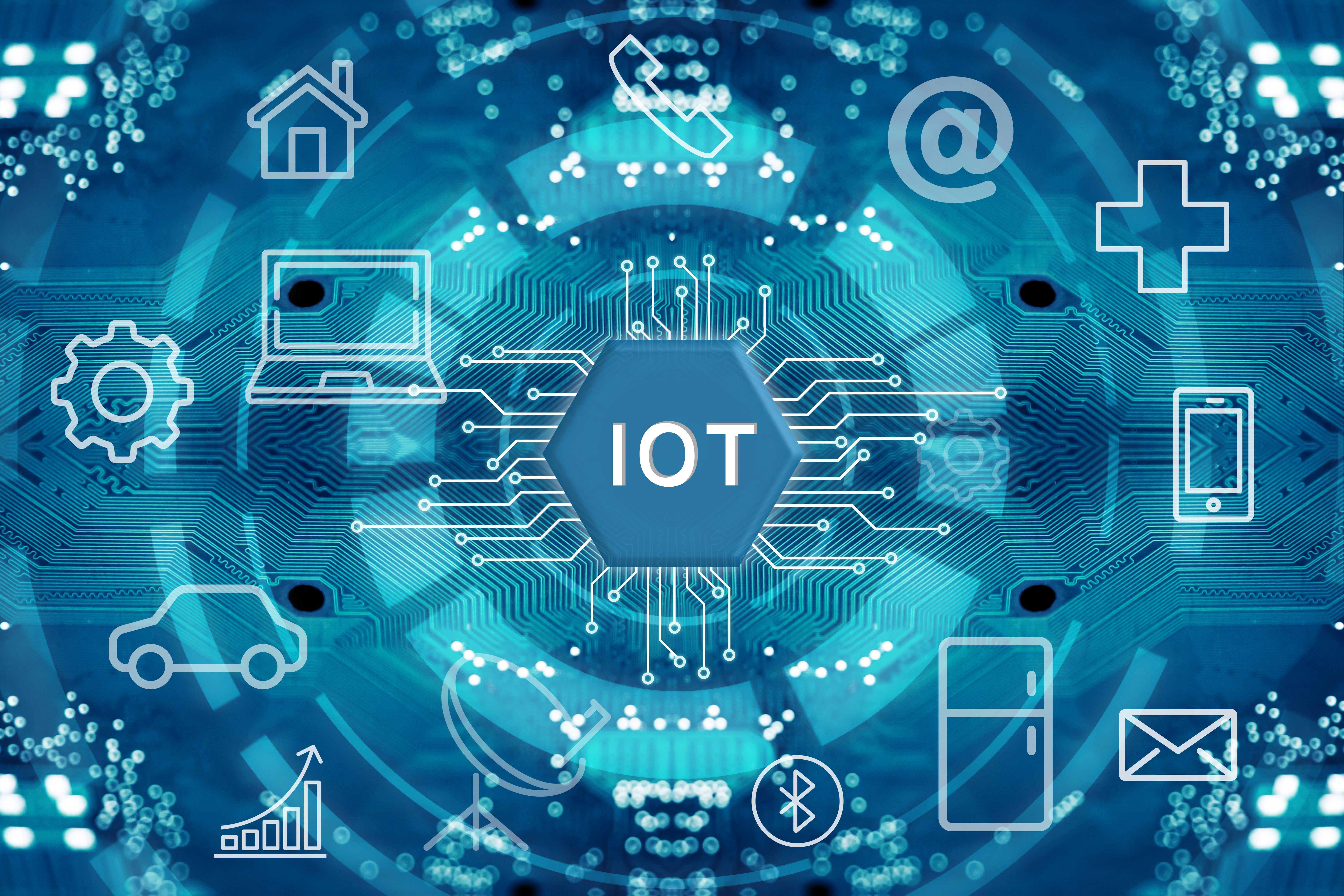
The rise of IoT is also driving the need for robust security measures. As more devices connect to the internet, safeguarding sensitive information becomes crucial. This creates new opportunities for cybersecurity solutions tailored to the IoT landscape.
Artificial Intelligence and Machine Learning
Artificial Intelligence (AI) and Machine Learning (ML) are becoming integral to telecommunications. These technologies enable smarter networks, predictive maintenance, and improved customer service through chatbots and virtual assistants.
AI-driven analytics provide insights into customer behavior, allowing companies to tailor services and improve satisfaction. Network management is also enhanced, as AI can predict and resolve issues before they affect users.

Furthermore, AI and ML are facilitating the development of autonomous systems, which can operate with minimal human intervention, reducing costs and increasing efficiency.
Cloud Computing Integration
Cloud computing continues to play a vital role in the telecommunication industry. It offers scalability, flexibility, and cost-effectiveness, making it an attractive option for businesses.
Telecom providers are utilizing cloud services to enhance their infrastructure, improve service delivery, and support innovative applications. This shift to the cloud enables faster deployment of services and reduces the need for physical hardware.
As cloud technologies evolve, they will continue to drive innovation in telecommunications, supporting everything from content delivery to network management.
Conclusion
The telecommunication industry is undergoing a significant transformation driven by 5G, IoT, AI, and cloud computing. These trends are not only shaping the future of communication but also influencing various sectors across the globe.
Businesses and consumers alike must stay informed and adapt to these changes to leverage the benefits and opportunities they present. As technology advances, the possibilities for growth and innovation in telecommunications are virtually limitless.